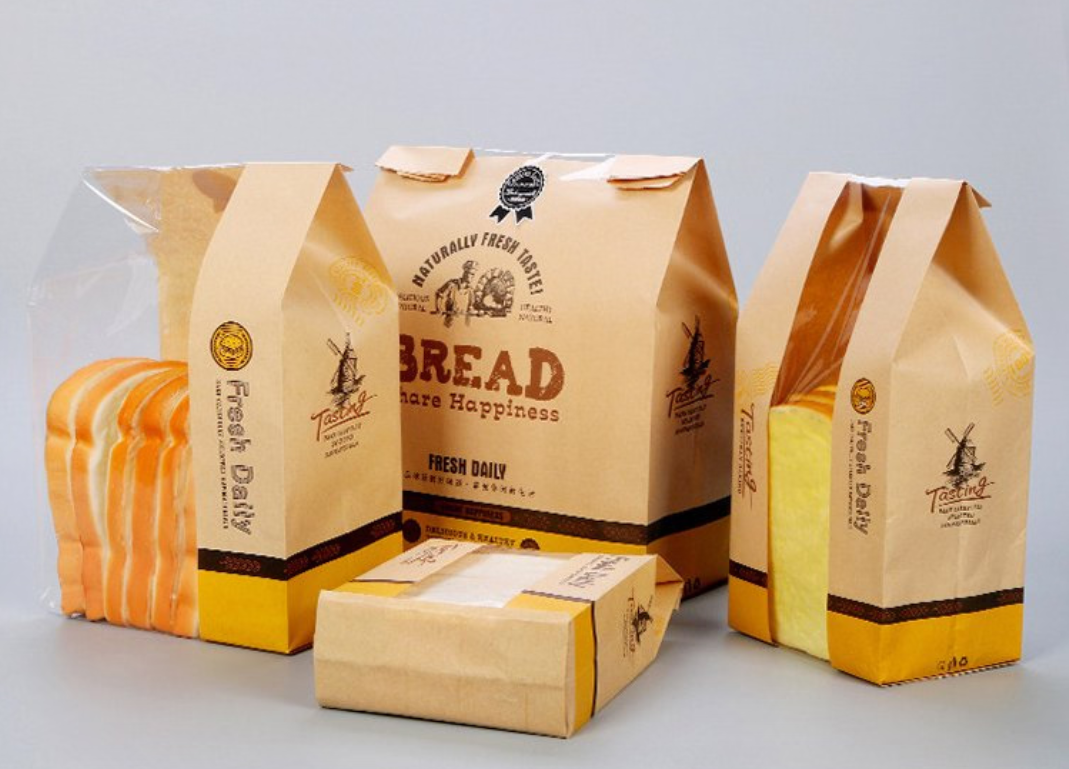
Packaging plays an important role in the bakery industry. Fresh bread, pastries, rolls, croissants, cookies, and other baked goods need packaging that protects them while maintaining an attractive presentation. At the same time, bakeries increasingly want their packaging to communicate their identity and make their products recognizable.
A well-designed package can turn a simple loaf of bread into a professional retail product. The right combination of material, size, printing, and functionality helps businesses create a better experience from the bakery counter to the customer’s home.
For growing bakeries, custom printed bread bags provide an opportunity to combine practical food protection with memorable branding. Bags can be produced in different sizes and printed with logos, patterns, colors, or other business information. Some manufacturers also offer breathable paper options designed to help maintain the texture of baked products.
Printed packaging can also make products easier to recognize. A customer who sees the same logo and visual style on every purchase may begin associating that design with the bakery’s products and quality. This makes packaging a useful part of a broader branding strategy rather than simply a container.
Another versatile packaging solution is branded greaseproof paper, which can be used for wrapping pastries, lining trays, separating baked goods, or packaging sandwiches and other food products. Custom suppliers offer different sizes, printing methods, and paper specifications depending on the intended application.
Why Bakery Packaging Matters
Bread and baked goods can be delicate products. Packaging needs to provide protection without creating unnecessary moisture or compromising the appearance of the food.
For bread with a crisp crust, ventilation can be particularly important. Some paper bread bags are designed to allow air circulation while still providing a practical barrier for handling and transport.
For pastries and buttery products, grease resistance becomes more important. Packaging that allows oil or butter to spread through the material can quickly look untidy and reduce the perceived quality of the product.
Choosing packaging according to the specific food product helps businesses achieve a better balance between protection, presentation, and convenience.
Benefits of Printed Bread Bags
Printed bread bags can provide several advantages for bakeries. The most obvious is brand visibility. A logo printed on every bag gives the business another opportunity to stay in front of customers after they leave the store.
Custom bags can also be designed around different product sizes. Small bags may be suitable for individual rolls or pastries, while larger formats can accommodate loaves and multiple baked products.
Material selection is equally important. Kraft paper can create a natural, artisan appearance, while white paper can provide a cleaner background for colorful branding. Some suppliers offer one- or two-color printing, while others provide more extensive customization.
Printed bags can also create consistency across a bakery’s product range. Matching designs can be used for bread, pastries, cookies, and takeaway products.
Using Grease-Resistant Paper for Bakery Products
Many bakery products contain butter, oils, fillings, chocolate, or other ingredients that can transfer onto packaging. Grease-resistant paper helps reduce this problem and keeps the outside of the package cleaner.
It can be used as an individual food wrapper, tray liner, basket liner, or internal layer inside other packaging. Suppliers offer different paper weights and formats depending on the food and the required level of protection.
For bakeries selling takeaway products, custom printed paper can also provide a practical branding surface. A repeating logo or pattern can make even a simple pastry wrap look more professional.
Branding Opportunities for Bakeries
A bakery’s packaging can communicate much more than its name. Colors, typography, illustrations, slogans, and repeating patterns can all contribute to a recognizable visual identity.
Minimalist designs can work particularly well for artisan bakeries. A simple logo printed on kraft paper can create a natural and handcrafted appearance. More colorful bakeries may choose bold graphics that reflect their product range.
Businesses can also include useful information where appropriate, such as social media handles, website details, or short brand messages. The goal should be to keep the design attractive while ensuring that important branding elements remain easy to recognize.
Some custom packaging suppliers offer digital design tools, mockups, or proofs before production. Reviewing the final design before printing helps prevent mistakes and ensures that logos and colors appear as intended.
Choosing the Right Paper Material
The right paper depends on the food product and packaging application. Bread bags may need breathability, while pastry wrappers may require stronger grease resistance.
Businesses should consider the product’s weight, temperature, moisture, oil content, shelf life, and transportation conditions before selecting a material.
Food-contact suitability should also be confirmed with the supplier. If the paper will directly touch food, businesses should request specifications for the material and printing inks used.
For example, some suppliers offer food-safe paper and water-based inks for bakery bags, while other packaging manufacturers provide greaseproof options with different constructions and specifications.
Custom Sizes and Printing Options
Standard packaging sizes can be convenient, but custom dimensions may be more useful for bakeries with unusual product shapes or multiple loaf sizes.
A correctly sized bag can reduce excess material while making packaging easier to handle. Businesses can work with suppliers to determine the ideal width, height, and construction for each product.
Printing options also vary. A simple one-color logo may be economical and highly effective, while a more detailed design may require multiple colors or a different printing process.
Before placing a large order, it is wise to request a sample or printed proof. This allows the bakery to check the paper quality, dimensions, logo placement, color accuracy, and overall appearance.
Applications Beyond Bread
Although bread bags are designed primarily for bakery products, customized paper packaging can support many other food items.
Pastries, cookies, muffins, croissants, donuts, sandwiches, and snacks can all benefit from appropriately selected paper packaging. Grease-resistant bakery bags, for example, are marketed for pastries, doughnuts, cookies, sandwiches, and other takeaway products.
This versatility allows a bakery to develop a coordinated packaging system rather than purchasing completely different materials for every product.
A consistent design across bags, wrappers, trays, boxes, and liners can make the business look more established and professional.
Ordering Packaging for a Growing Bakery
As sales increase, packaging demand can grow quickly. Businesses should estimate their average weekly or monthly consumption before placing wholesale orders.
It is also important to compare minimum order quantities, production times, printing specifications, shipping costs, and sample policies. Some suppliers focus on smaller businesses and offer low minimum quantities, while factory-direct manufacturers may target larger-volume orders.
Storage should also be considered. Paper packaging should be kept in a clean, dry environment to maintain its quality before use.
Ultimately, effective bakery packaging should protect the product while supporting the brand. By combining attractive custom printed bread bags with versatile branded greaseproof paper, bakeries can create a consistent and professional presentation across their products. The right materials, printing, sizes, and designs can turn everyday packaging into a practical branding tool that strengthens customer recognition and improves the overall bakery experience.