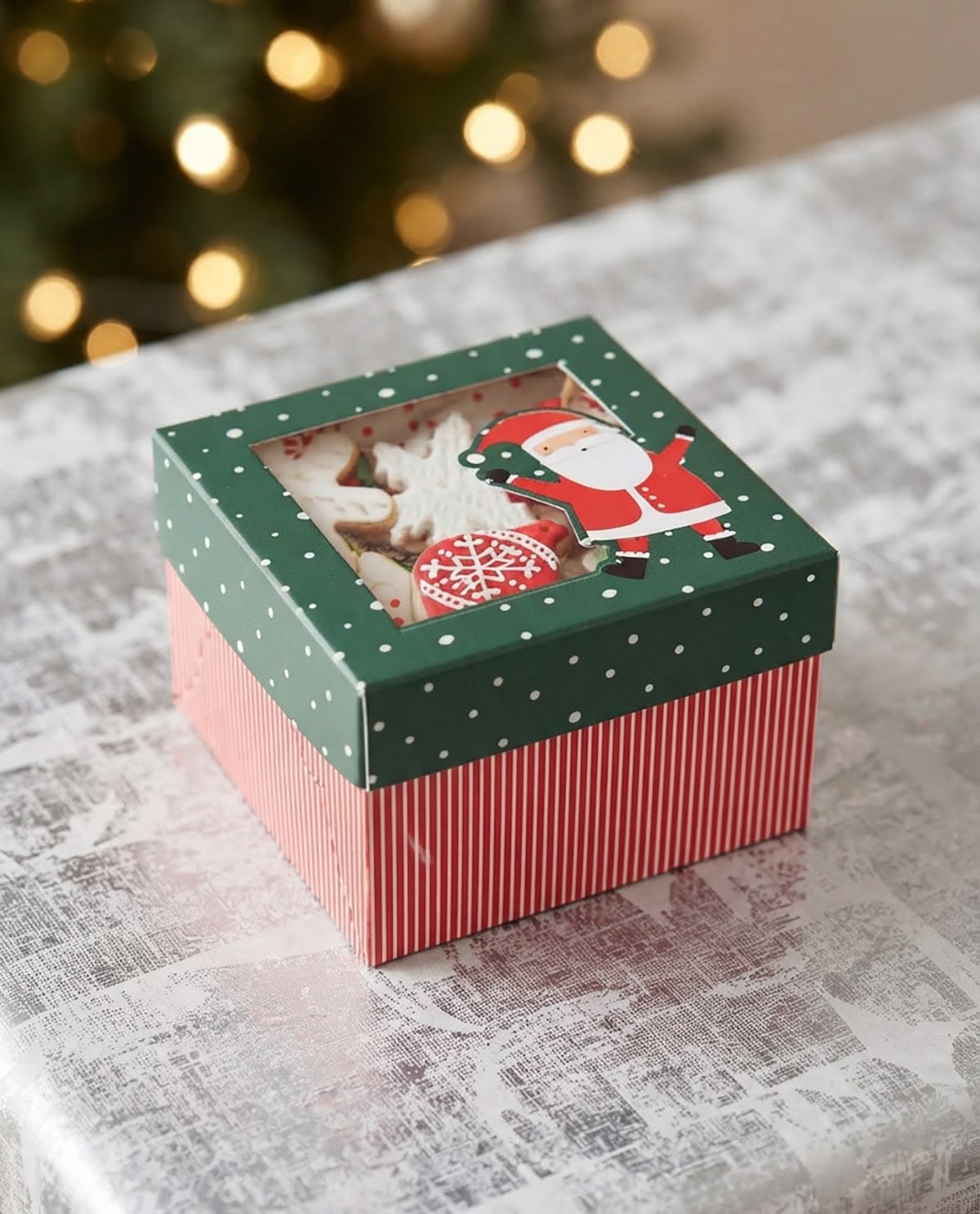
Food packaging does more than protect a meal. It also creates the first physical impression customers have after receiving their order. Restaurants, bakeries, cafés, food trucks, and takeaway businesses increasingly use branded packaging to make their products look cleaner and more professional. Among the most practical options are custom food wrapping papers that combine functionality with attractive branding.
When choosing packaging for greasy or moisture-rich foods, businesses need materials that can handle everyday use without becoming messy or difficult to manage. Good packaging should help reduce oil transfer, support convenient serving, and keep food presentation appealing from the kitchen to the customer.
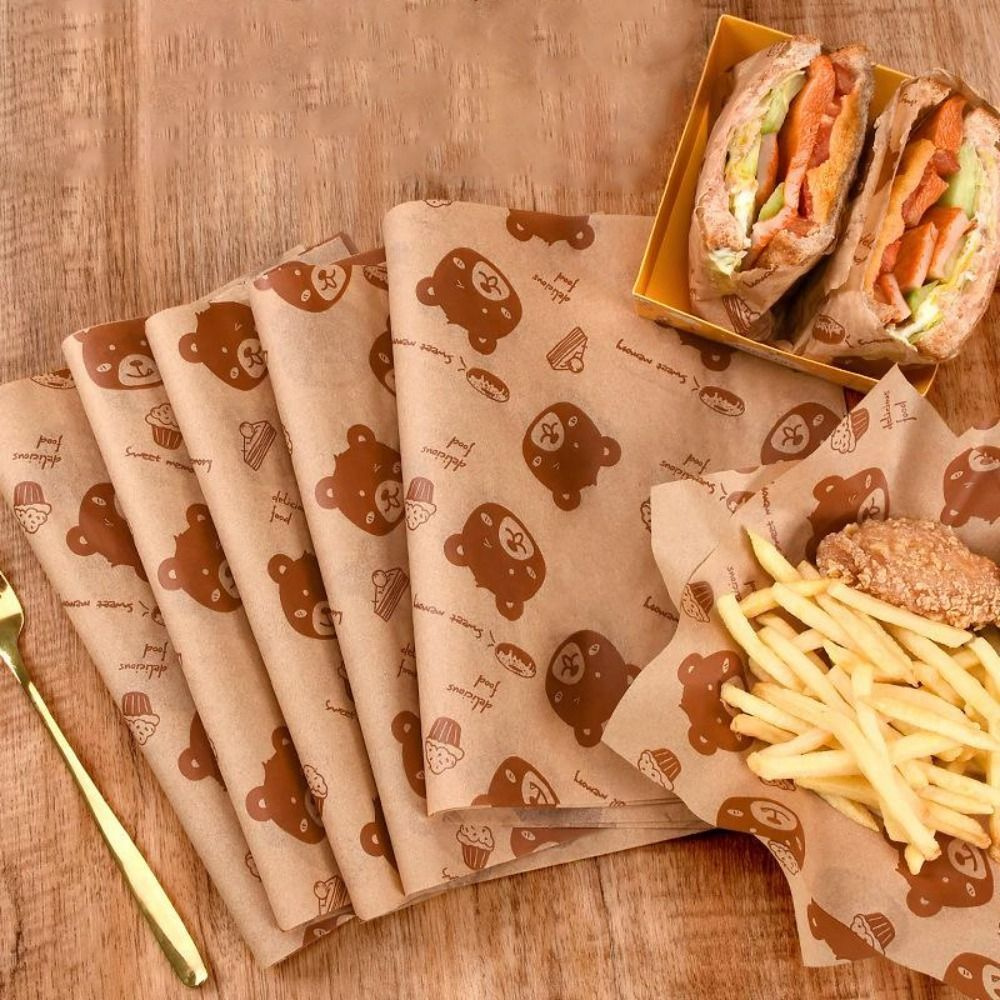
For businesses ordering in larger quantities, Wholesale Custom Wax Papers can provide a practical way to maintain consistent packaging while controlling the cost per unit. Custom sizes, printed logos, repeating patterns, and different paper options allow companies to create packaging that fits their products and visual identity.
Branded food packaging can also become a simple marketing tool. A customer may see a company logo several times through the ordering and eating experience, making printed wrapping an inexpensive way to reinforce brand recognition. For businesses with high order volumes, this repeated exposure can make everyday packaging more valuable.
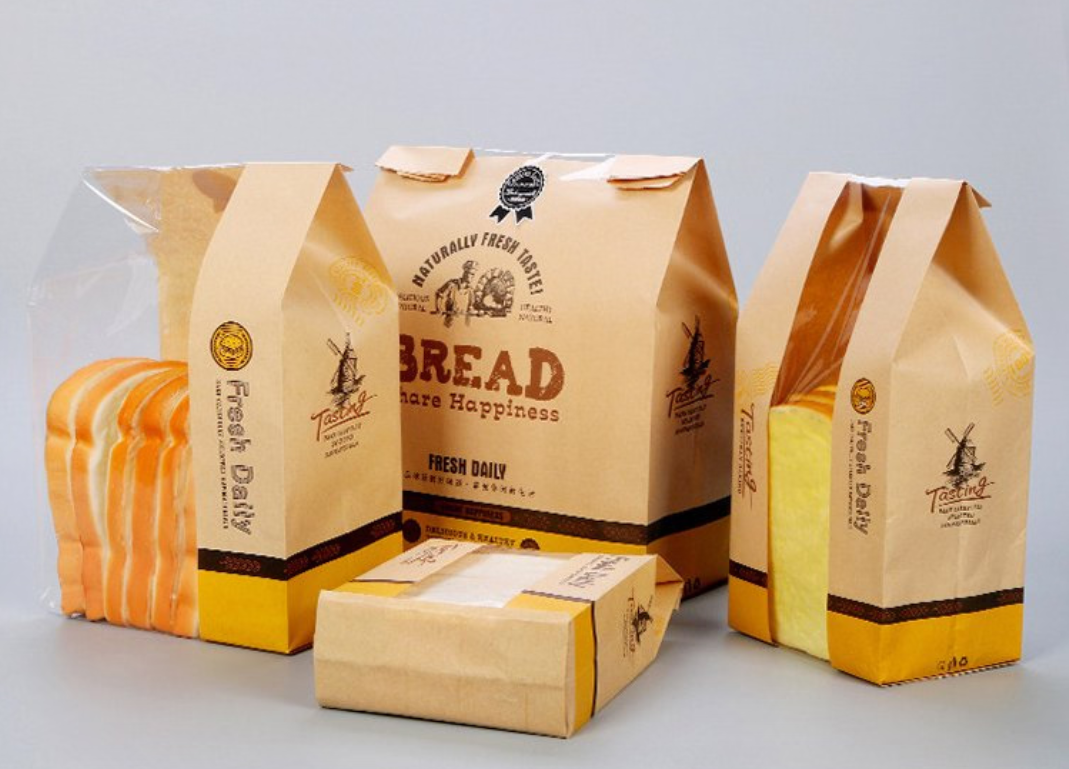
A well-designed greaseproof paper bag can be especially useful for sandwiches, burgers, fries, pastries, bread, and other takeaway foods. These bags are designed around convenient food handling while offering resistance to grease and moisture. Custom versions can also carry logos, colors, patterns, and other branding elements.
Why Custom Wax Paper Is Popular in Food Packaging
Wax and grease-resistant papers are widely used because they provide a convenient barrier between food and the outside packaging. They can be used as sandwich wraps, basket liners, tray liners, bakery sheets, and food presentation papers.
Depending on the supplier and intended application, businesses can choose different paper weights, coatings, finishes, sizes, and printing methods. Some suppliers offer standard sheets, rolls, and customized dimensions to match specific packaging requirements.
Another important advantage is flexibility. A restaurant can use printed sheets for burgers and sandwiches, while a bakery can use branded paper to wrap pastries and baked goods. This makes custom paper suitable for businesses with different product categories.
Branding Benefits of Printed Food Paper
Packaging can reinforce a brand without requiring an additional advertising campaign. A repeating logo, recognizable pattern, business name, or carefully selected design can make ordinary food wrapping look much more distinctive.
Custom printing can also help businesses create consistency across different packaging products. For example, the same visual identity can appear on food paper, bags, boxes, cups, and other takeaway materials.
Some manufacturers provide one-color, multi-color, CMYK, or Pantone printing depending on the product and production process. Businesses should choose a printing method that provides clear artwork while remaining appropriate for direct food-contact packaging.
Choosing the Right Paper for Your Products
Not every food product requires exactly the same packaging material. Fried foods may need stronger grease resistance, while bakery products may require a lighter wrapping paper that focuses on presentation.
Before ordering, consider the food’s temperature, oil content, moisture level, size, and expected holding time. Paper thickness also matters because lightweight paper may be suitable for some applications but inadequate for heavier or particularly greasy products.
Businesses should also confirm that the selected material and inks are suitable for their intended food-contact application. Suppliers may offer food-grade materials and different coating options depending on the required performance.
Benefits of Greaseproof Paper Bags
Paper bags provide a convenient packaging format for foods that customers want to carry and eat easily. They are particularly useful for sandwiches, pastries, fries, baked goods, and other takeaway products.
A well-designed bag can help keep food contained while making handling more comfortable. Custom bags can also be manufactured in different sizes to accommodate individual products or combinations of food items.
For food businesses, bags can also reduce the need for additional wrapping in some applications. This can simplify the packaging process and create a cleaner customer experience. Suppliers commonly offer options for custom dimensions and printed branding.
Ordering in Bulk for Better Efficiency
Buying packaging in larger quantities can make sense for businesses with predictable and consistent demand. Wholesale purchasing can help reduce the frequency of reordering and ensure that the same packaging remains available during busy periods.
However, businesses should avoid ordering large quantities without first confirming storage space, product specifications, and expected usage. Packaging that is not stored properly may experience damage, discoloration, or other quality issues.
It is also important to compare minimum order quantities, production times, printing options, material specifications, and shipping costs. Some suppliers accept relatively low quantities, while others focus on larger commercial orders.
Custom Sizes and Printing Options
One major advantage of customized food packaging is the ability to select dimensions that suit the product. Standard sizes may work well for common food items, but custom dimensions can reduce unnecessary folding and material waste.
Printing can be equally important. Businesses should provide high-resolution artwork and clearly communicate logo placement, colors, pattern repetition, and other design requirements before production.
Many suppliers provide digital proofs or mockups before printing. Reviewing the proof carefully can help identify incorrect colors, sizing issues, spelling mistakes, or logo-placement problems before the order enters production.
Applications Across Food Businesses
Custom food papers and bags can work across many different food-service environments. Restaurants can use them for burgers, sandwiches, fried foods, and takeaway meals. Bakeries can use them for bread, cookies, croissants, and pastries.
Food trucks and cafés can benefit from lightweight packaging that is easy to store and distribute quickly during busy service periods. Catering companies can also use branded paper to create a more coordinated presentation at events.
Beyond appearance, the right packaging can improve workflow. Pre-cut sheets and ready-to-use bags can help employees package products quickly, while consistent sizes make storage and preparation easier.
How to Select a Reliable Packaging Supplier
The right supplier should provide more than attractive printing. Start by reviewing material quality, food-contact suitability, customization options, minimum quantities, production timelines, and sample availability.
Requesting a sample before placing a large order is especially useful. It allows you to test the paper with your actual products and determine whether the grease resistance, thickness, size, and print quality meet your expectations.
It is also worth asking whether the supplier can provide consistent production for future orders. Consistency matters because restaurants and food brands need packaging that looks and performs the same way over time.
Ultimately, the best packaging combines protection, convenience, presentation, and branding. By selecting suitable custom paper sizes and professionally printed designs, businesses can create a stronger customer experience while keeping their packaging practical. For restaurants, bakeries, cafés, food trucks, and takeaway brands, investing in quality custom wax paper and a reliable greaseproof paper bag solution can turn everyday food packaging into a useful part of the overall brand experience.